
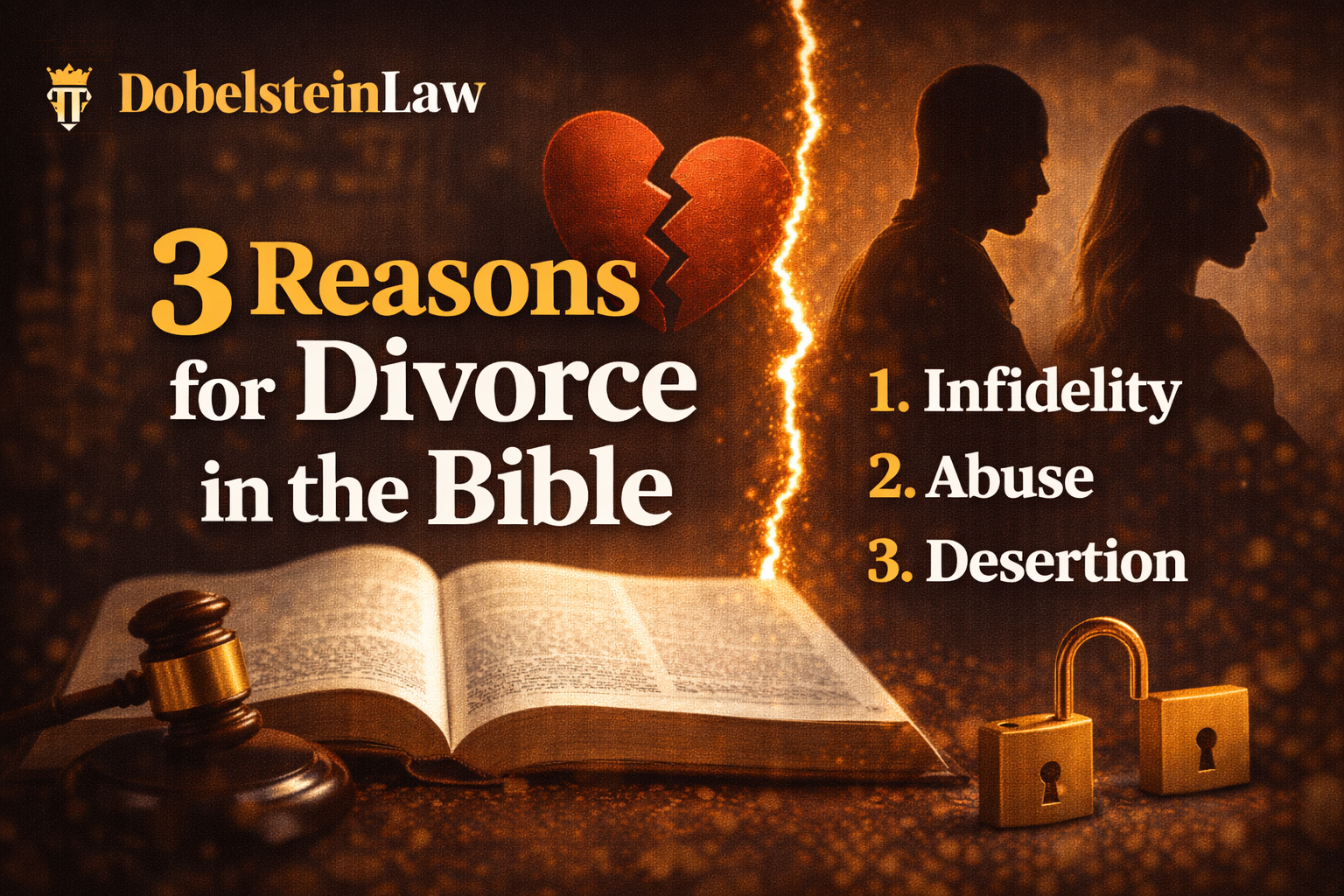
If you are searching for clarity on the 3 reasons for divorce in the Bible, you are not alone, and you deserve careful, honest answers rooted in Scripture. This topic carries emotional, spiritual, and practical weight, especially when faith and real-life marriage struggles collide.
In this article, you will explore biblical teaching with depth, balance, and compassion, so you can understand what Scripture actually says and how it applies today.
Understanding Marriage in the Bible
Marriage in the Bible is presented as a covenant rather than a contract, meaning it is built on faithfulness, unity, and lifelong commitment. You see this foundation clearly in Genesis, where marriage is described as two people becoming one flesh before God. This covenant framework shapes how divorce is discussed throughout Scripture.
When you read biblical texts about marriage, you notice that permanence is emphasized as God’s original design. Jesus later reinforces this by pointing back to creation rather than cultural norms or legal loopholes. This matters because divorce is addressed as a concession to human brokenness, not an ideal outcome.
Understanding this covenant context helps you interpret the 3 reasons for divorce in the Bible accurately. Scripture does not casually list reasons for ending marriage, but addresses situations where the covenant has already been deeply violated, similar to how modern family law examines separation within defined legal boundaries such as legal separation while living together. This perspective keeps the focus on faithfulness rather than convenience.
Why Divorce Is Treated Seriously in Scripture
Divorce is treated seriously in the Bible because it reflects the breaking of a sacred covenant made before God. You are repeatedly reminded that marriage mirrors God’s faithfulness to His people, which is why unfaithfulness carries such weight. This seriousness does not mean Scripture ignores suffering, but it does resist casual separation.
Jesus speaks directly against easy divorce practices that were common in His time. He challenges interpretations that reduced marriage to a legal transaction instead of a spiritual union. This correction helps you see why biblical divorce teaching is both firm and compassionate.
When you study the Bible carefully, you find that divorce is permitted in limited situations because of hardened hearts and ongoing sin. These allowances exist to protect the innocent rather than excuse wrongdoing, which echoes the protective logic seen in family-law discussions around child endangerment and custody loss. This balance is essential to understanding the 3 reasons for divorce in the Bible.
Reason One: Sexual Immorality
Sexual immorality is the first and most clearly stated reason for divorce in the Bible. Jesus explicitly references this exception in the Gospels when addressing marriage and separation. You are shown that sexual unfaithfulness breaks the one-flesh bond in a profound way.
In biblical language, sexual immorality includes adultery and other serious violations of marital faithfulness. These actions shatter trust and undermine the covenant at its core. Scripture acknowledges that such betrayal can make reconciliation impossible despite sincere effort.
It is important to understand that divorce is permitted, not commanded, even in cases of sexual immorality. You are encouraged to pursue repentance and restoration when possible, but not forced to remain bound to ongoing betrayal. This distinction protects both truth and grace.
Biblical Context of Sexual Immorality
In the ancient world, adultery was not treated lightly, and its consequences were severe. You can see from both Old and New Testament passages that sexual faithfulness was central to marital integrity. This historical context strengthens the seriousness of Jesus’ teaching.
The biblical term often translated as sexual immorality carries a broad meaning related to covenant-breaking behavior. It is not about minor failures but about patterns of unrepentant unfaithfulness. Understanding this prevents misusing Scripture to justify impulsive decisions.
When sexual immorality is present, the marriage covenant has already been deeply wounded. Scripture recognizes the reality of this damage rather than denying it. This is why it stands as one of the 3 reasons for divorce in the Bible.
Reason Two: Abandonment by an Unbelieving Spouse
The second biblical reason for divorce involves abandonment by an unbelieving spouse. This teaching comes primarily from the Apostle Paul’s instructions to early Christian communities. You are told that the believing spouse is not bound if the unbeliever chooses to leave.
Abandonment is more than physical departure and includes refusal to live in marital unity. When a spouse withdraws emotionally, spiritually, and relationally, the covenant is effectively broken. Scripture prioritizes peace rather than forcing someone to remain in a hostile union.
This teaching recognizes the reality that faith differences can create irreconcilable division. You are not required to chase someone who has chosen separation over covenant faithfulness. This provision offers freedom without undermining the sanctity of marriage.
Understanding Biblical Abandonment
Biblical abandonment focuses on the rejection of marital togetherness rather than a single act of leaving. You can see this in how Scripture frames peace and freedom for the believing spouse. The emphasis is on release from bondage, not encouragement of divorce.
Paul’s instruction reflects pastoral wisdom rather than rigid legalism. He acknowledges that forced relationships cannot sustain genuine unity. This approach protects the believer from prolonged emotional and spiritual harm.
By recognizing abandonment as covenant-breaking, Scripture offers clarity without expanding divorce beyond necessity. This careful balance reinforces why abandonment remains one of the 3 reasons for divorce in the Bible.
Reason Three: Abuse as Covenant Violation
While not always named directly, abuse is increasingly understood as a biblically defensible reason for divorce. You see this when Scripture condemns violence, oppression, and harm within relationships. Abuse fundamentally contradicts the command to love, protect, and honor one another.
Abuse includes physical, sexual, and severe emotional harm that persists without repentance. These patterns demonstrate a hardened heart that refuses covenant responsibility. In such cases, the covenant is already being violated through ongoing harm.
Scripture consistently shows God’s concern for the vulnerable and oppressed. You are never commanded to endure danger to preserve appearances, a principle that aligns with broader discussions of family protection found in legal education resources like the Dobelstein Law family law blog. This understanding places abuse within the framework of covenant abandonment and protection.
Biblical Principles Supporting Protection
Throughout Scripture, God repeatedly speaks against violence and exploitation. You are reminded that justice, mercy, and protection are central to God’s character. Marriage never excuses harm under any circumstances.
When abuse is present, separation often becomes necessary for safety. This separation may eventually lead to divorce when repentance and change do not occur. Scripture values life and dignity over maintaining destructive unions.
Recognizing abuse as covenant-breaking aligns with biblical ethics rather than contradicting them. This perspective helps apply ancient truth to modern realities responsibly. It completes the understanding of the 3 reasons for divorce in the Bible.
Common Misunderstandings About Biblical Divorce
Many misunderstand biblical divorce by assuming Scripture offers an extensive checklist of reasons. In reality, the Bible addresses specific covenant violations rather than personal dissatisfaction. This distinction keeps interpretation grounded and disciplined.
Another misconception is that divorce automatically equals sin in every situation. Scripture never makes such a blanket statement. Instead, it identifies sin in unfaithfulness, abandonment, and harm.
You are also reminded that legal divorce and spiritual divorce are not always the same. Often, the covenant has already been broken long before legal steps occur. Understanding this prevents misplaced guilt and confusion.
Divorce Versus Remarriage in the Bible
Divorce and remarriage are closely connected in biblical teaching but not identical issues. Scripture treats remarriage as permissible when divorce occurs on legitimate biblical grounds. This prevents ongoing injustice against the innocent spouse.
Jesus warns against remarriage when divorce lacks biblical justification. In such cases, remarriage compounds covenant violation rather than resolving it. This distinction encourages thoughtful discernment rather than impulsive decisions.
Understanding this connection helps you approach divorce with spiritual responsibility. It reinforces why biblical grounds matter deeply. This clarity supports wise and faithful choices moving forward.
Statistics and Modern Relevance
Modern studies show that roughly 40 percent of marriages in the United States end in divorce, highlighting the urgency of biblical clarity. Among faith-based couples, divorce rates are lower but still significant. These figures show that Scripture speaks into real, ongoing struggles.
Abuse statistics further emphasize the need for protection-based interpretation. Research consistently shows long-term harm from remaining in abusive relationships. Scripture’s concern for safety aligns with these findings.
Biblical teaching remains relevant because human brokenness has not changed. You still face complex marital challenges that require wisdom and compassion. This relevance underscores the importance of understanding the 3 reasons for divorce in the Bible accurately.
How to Approach Biblical Divorce With Wisdom
When facing divorce, you are encouraged to seek counsel grounded in Scripture and compassion. Isolation often leads to confusion and unnecessary guilt. Wise guidance helps you discern truth from fear.
Prayer and reflection remain essential throughout this process. You are invited to bring pain, questions, and uncertainty honestly before God. Scripture never discourages seeking clarity and healing.
Approaching divorce biblically means balancing conviction with mercy. You are not called to legalism or denial. Instead, you are called to truth, protection, and peace.
Conclusion
Understanding the 3 reasons for divorce in the Bible requires careful reading, humility, and compassion for real human suffering. Scripture identifies sexual immorality, abandonment by an unbelieving spouse, and covenant-breaking abuse as serious violations that permit divorce. These allowances exist to protect the innocent, not to weaken marriage.
When you apply these teachings responsibly, you honor both God’s design for marriage and His concern for justice and safety. Biblical divorce is never casual, but it is sometimes necessary. Clarity empowers you to move forward with wisdom, faith, and peace.